
SIAT Research
-
 Jul 30, 2026Researchers Develop Programmable Living Textiles from Fungal MyceliumA team led by Dr. ZHONG Chao from the State Key Laboratory of Quantitative Synthetic Biology at the Shenzhen Institutes of Advanced Technology of the Chinese Academy of Sciences developed a flexibl... Fungal mycelium is a promising renewable material, but conventional processing generally eliminates the living activity that could support growth, repair, and environmental response.A team led by D...
 -
 Jul 15, 2026Cells Encode Information Through Time, Not Just Molecule LevelsFor decades, biologists assumed that cells transmit instructions mainly through the concentration of signaling molecules — the higher the level, the stronger the response. Yet more and more eviden... For decades, biologists assumed that cells transmit instructions mainly through the concentration of signaling molecules — the higher the level, the stronger the response. Yet more and more eviden...
 -
 Jul 09, 2026Novel CRISPR Transposase System Enables Precise Genome Editing of Gut Bacteria Within Complex Microbial CommunitiesBacteroides are the most abundant bacteria in the human gut, yet precisely editing their genomes remains difficult. Current tools rely on homologous recombination, which is inefficient in most Bact... Bacteroides are the most abundant bacteria in the human gut. Precisely editing their genomes remains difficult. Current tools rely on homologous recombination, which is inefficient in most Bacteroi...
 -
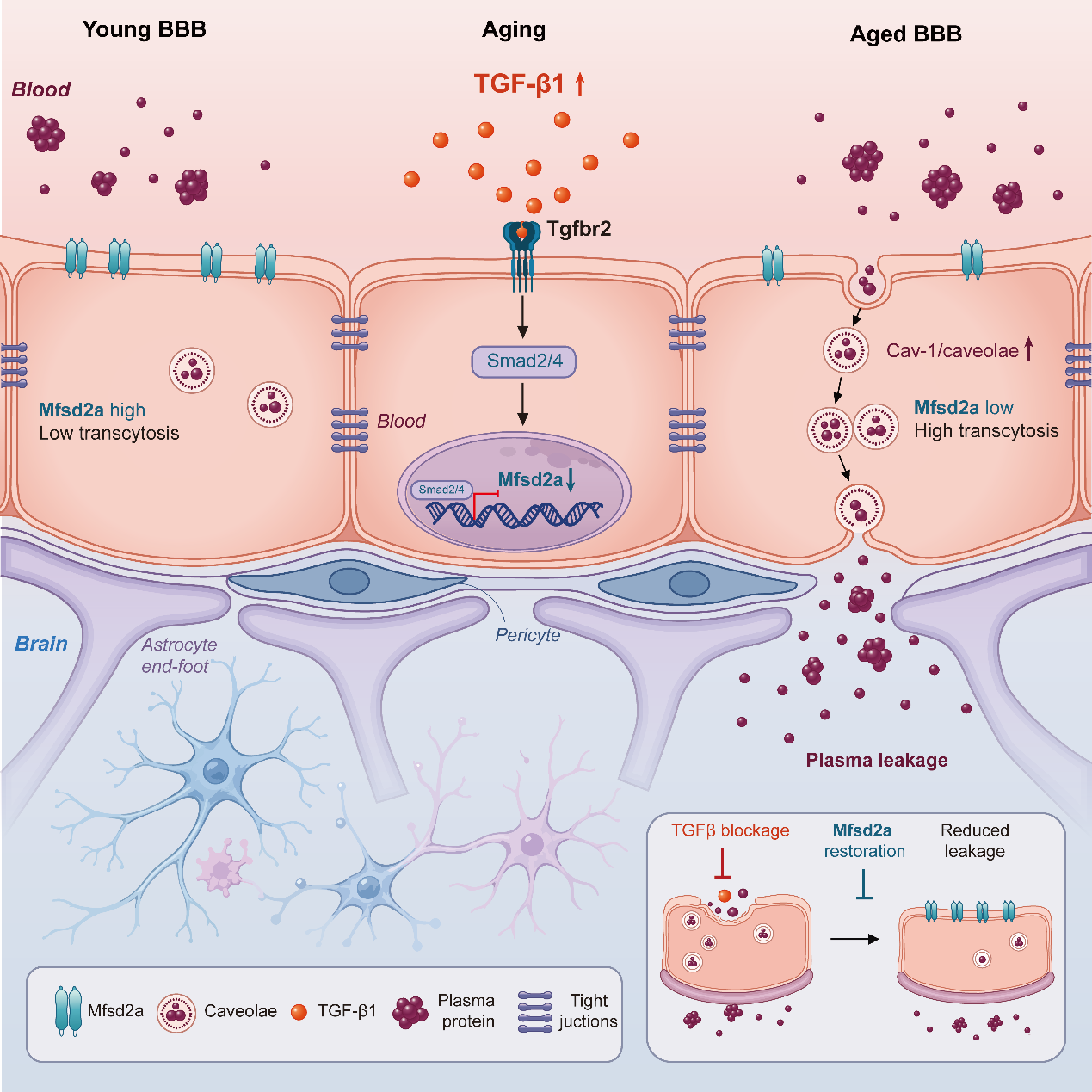 Jul 02, 2026Scientists Reveal Key Mechanism Behind Age-related Decline in Brain Vascular FunctionIn a study published in Neuron, a team of researchers led by Researchers FANG Cheng and MA Yinzhong from the Shenzhen Institutes of Advanced Technology (SIAT) of the Chinese Academy of Sciences un... As people age, many of them experience memory decline, slower cognitive processing, and a higher risk of cerebrovascular disease and cognitive impairment. In aging research, a major question is whe...
 -
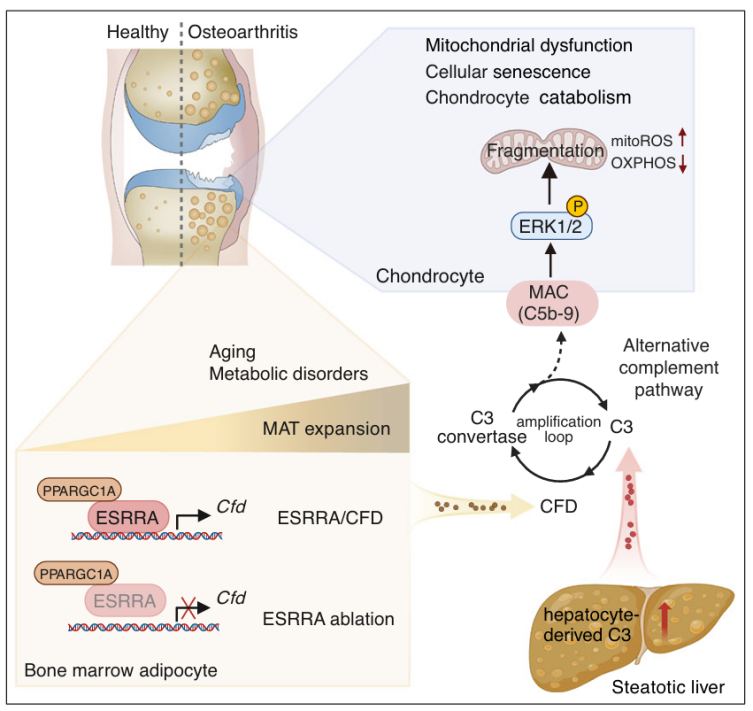 Jun 12, 2026Disrupting Liver-Bone Marrow Tissue-Cartilage Crosstalk to Alleviate OsteoarthritisIn a study published in Bone Research, a team led by Prof. GUAN Min from the Shenzhen Institutes of Advanced Technology (SIAT) of the Chinese Academy of Sciences, along with collaborators, revealed... Osteoarthritis affects nearly 500 million individuals worldwide, and no disease-modifying pharmacotherapies are currently available. This disease has long been viewed as a localized joint disorder ...
 -
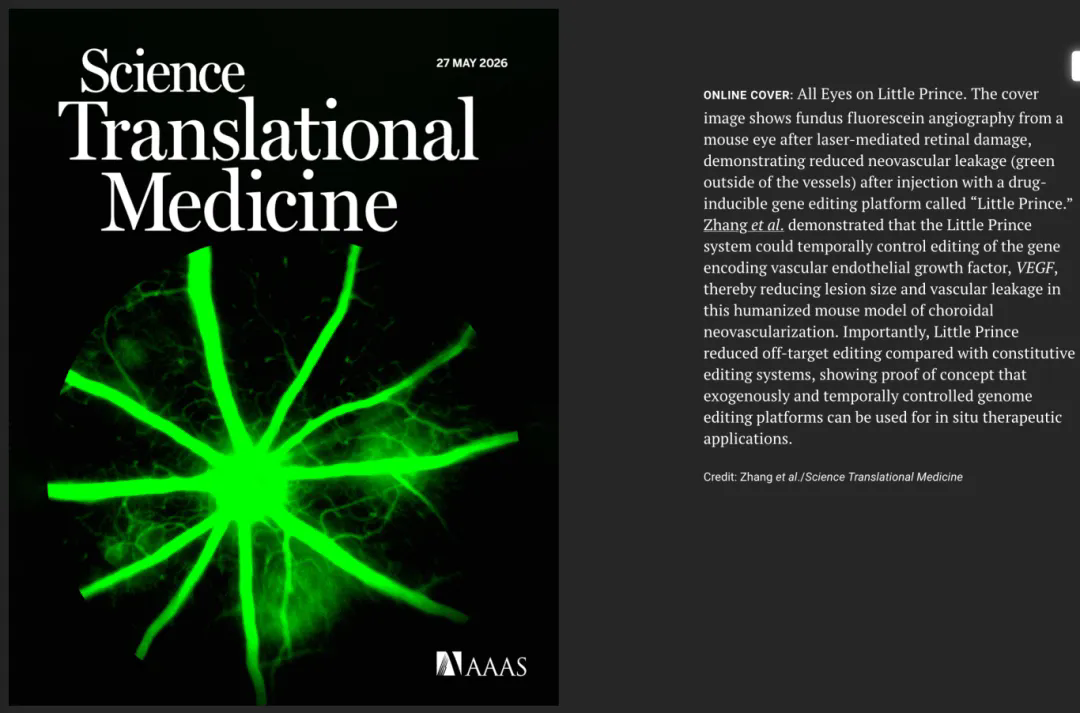 Jun 12, 2026Small-Molecule Switches Put Therapeutic CRISPR Editing Under On-Demand Control in Living TissuesIn a study published in Science Translational Medicine, a team of researchers led by Dr. WANG Yu from the Shenzhen Institutes of Advanced Technology of the Chinese Academy of Sciences developed PRI... In a study published in Science Translational Medicine, a team of researchers led by Dr. WANG Yu from the Shenzhen Institutes of Advanced Technology of the Chinese Academy of Sciences developed PRI...
 -
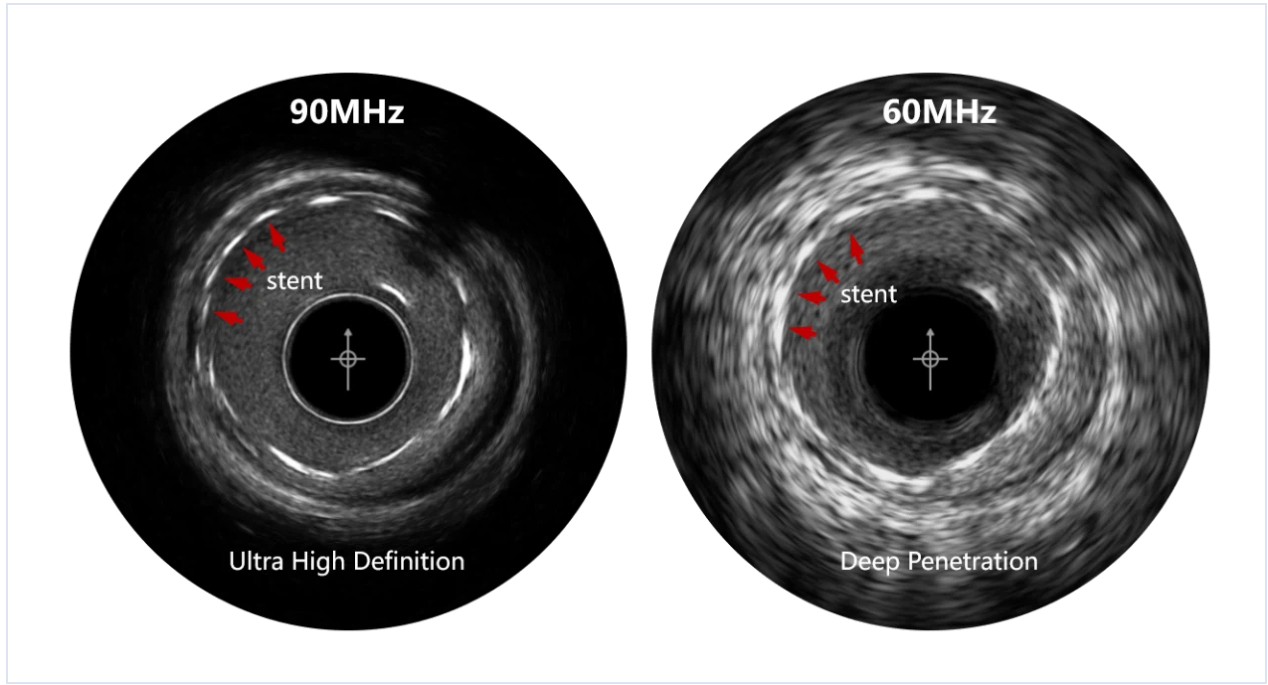 Jun 11, 2026From Scientific Instrument to Medical Device: SIAT's Dual-Frequency IVUS System Gains Market ApprovalCoronary angiography primarily reveals luminal stenosis, whereas intravascular ultrasound (IVUS) advances a miniature ultrasound transducer into the vessel to assess the lumen, vessel wall, plaque,... Coronary angiography primarily reveals luminal stenosis, whereas intravascular ultrasound (IVUS) advances a miniature ultrasound transducer into the vessel to assess the lumen, vessel wall, plaque,...
 -
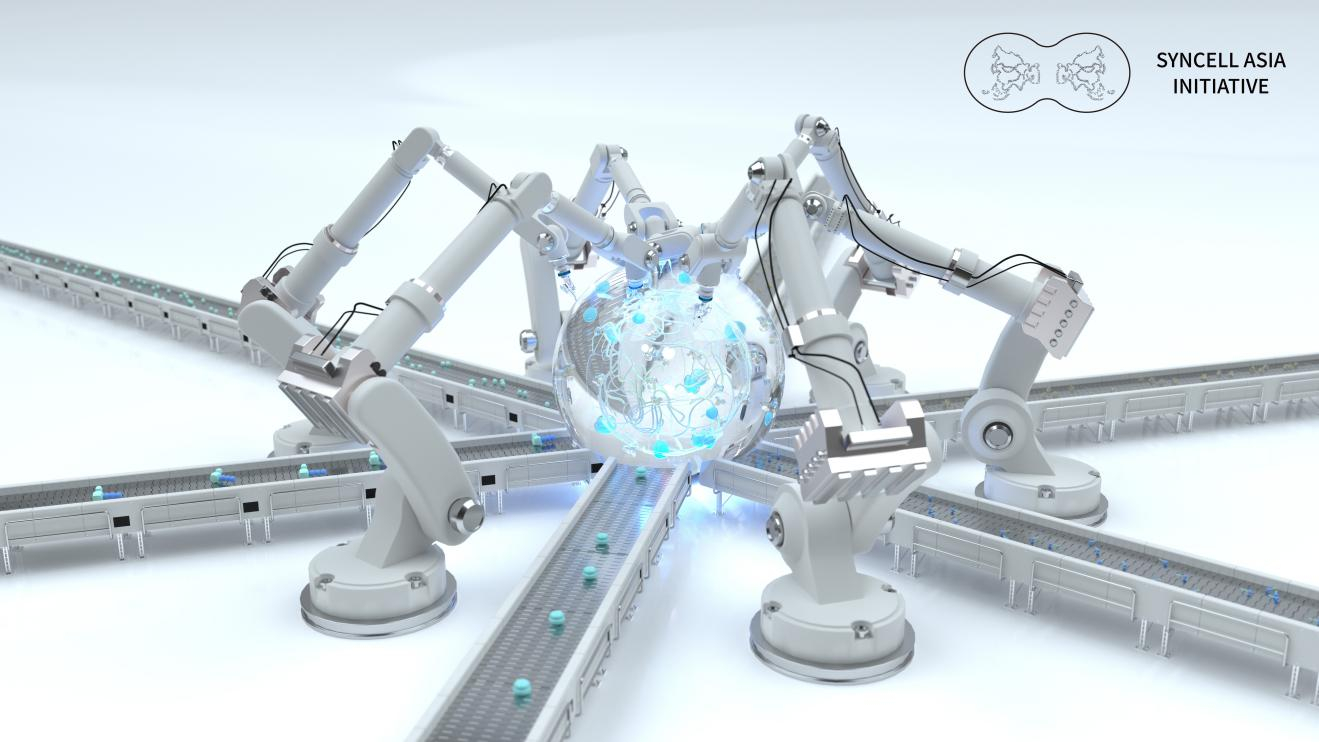 May 27, 2026Asian Scientists Unveil 10-year Roadmap to Build Synthetic CellsScientists from six Asian countries have launched an ambitious 10-year effort to build synthetic cells from non-living molecules, marking the region's first coordinated push to create artificial si... Scientists from six Asian countries have launched an ambitious 10-year effort to build synthetic cells from non-living molecules, marking the region's first coordinated push to create artificial si...